

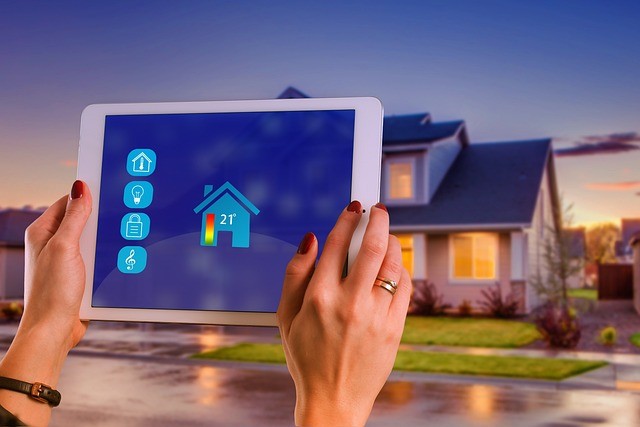
In today’s fast-evolving housing market, smart home technology is no longer a futuristic concept—it’s a game-changing reality that is rapidly gaining mainstream acceptance. Homeowners and buyers alike are recognizing that these innovations go far beyond trendy gadgets; they represent a fundamental shift in how we interact with, use, and value our homes. From increased convenience and peace of mind to sustainability and property value boosts, integrating technology into residential properties is fundamentally reshaping how people buy, sell, and experience real estate at every stage of the process. For homeowners and buyers looking to make smart, strategic decisions in this evolving landscape, leveraging expertise from a Clermont, FL real estate expert David Johnston can provide invaluable guidance as the market continues to embrace digital innovation and new technologies.
As expectations shift toward connected, efficient, and secure living spaces, innovative features have moved from premium perks reserved for luxury homes to critical must-haves for mainstream buyers. Homebuyers are now actively seeking houses equipped with technology that simplifies life, enhances comfort, and even offers tangible returns on investment by saving costs or improving security. This evolution in buyer mindset is not just about acquiring flashy devices—it’s about building and investing in truly future-ready homes, designed to keep up with both the changing times and the modern priorities of homeowners. As a result, smart home technology is now deeply intertwined with lifestyle, personal safety, financial planning, and even the daily enjoyment of one’s living space.
Elevating Property Values with Smart Features
Technology-infused homes consistently command higher sales prices, attracting buyers who recognize the long-term value in convenience, security, and modernity. Features such as smart thermostats, automated lighting, interconnected home assistants, and intelligent appliance controls are proving to be highly influential during the buying process. According to research from The New York Times, homes outfitted with these features consistently outperform similar listings lacking such technology, sometimes by as much as 5% in sales price. Competing with other properties becomes considerably easier when sellers can showcase fully integrated smart home systems that promise a lifestyle upgrade from the very beginning.
Buyers are increasingly perceiving smart home updates not as optional upgrades, but as essential components of a modern, functional home. The ability to control lighting, temperature, and even appliances remotely is viewed by many buyers as a basic expectation rather than a luxury. As a result, sellers who invest in these systems often enjoy faster sales and a broader pool of interested buyers, including millennials and Gen Z purchasers who have grown up surrounded by digital advancements. These features can also differentiate a property in a crowded market, making it more likely to attract attention during open houses and online searches.
Enhanced Security and Monitoring
Personal safety remains a leading concern for many property seekers, especially those with children or those living in urban environments. Innovative security technology, notably video doorbells with recording capabilities, remote monitoring surveillance cameras, motion sensors, and automated digital locks, offers 24/7 peace of mind. These devices deliver real-time alerts and enable users to check in on their home from anywhere, whether via a smartphone, tablet, or computer. Homeowners can answer the door remotely, set up automated alarms, or grant access temporarily to guests or service providers, all from their mobile device, eliminating many safety concerns and logistical headaches.
This added layer of security is beautiful for families and frequent travelers, providing not only a greater sense of safety but also a strong selling point for prospective buyers. According to a report by Forbes, the adoption of connected security devices is continuing to rise sharply as homeowners seek comprehensive and user-friendly solutions for protecting their property and loved ones. Owning a home that’s equipped with the latest monitoring technologies can also help reduce insurance costs, as insurers increasingly recognize the risk mitigation benefits of these tools.
Energy Efficiency and Sustainability
With energy costs rising and sustainability on the minds of many buyers and sellers, intelligent energy management systems have swiftly become a must-have feature. Devices like programmable thermostats, advanced HVAC controls, and smart plugs can optimize heating, cooling, and electricity use—automatically adjusting based on usage patterns, occupancy, and even the weather. These technologies reduce utility bills, minimize carbon footprints, and enable homeowners to monitor their energy consumption in real time through user-friendly apps and dashboards. This level of transparency and control is highly valued by today’s eco-aware consumers, who desire both environmental responsibility and cost savings.
Eco-friendly innovations, such as innovative irrigation systems, efficient appliances that communicate wirelessly, and solar-ready smart panels, further contribute to greener homes and more attractive real estate listings for buyers who put a premium on sustainability. According to a feature by the National Resources Defense Council, modern smart homes can reduce energy use by up to 30%, making such properties highly appealing to buyers focused on fiscal responsibility and environmental sustainability. In highly competitive markets, emphasizing these green credentials can make a decisive difference, especially among younger generations who rank sustainability among their top concerns.
Virtual and Augmented Reality in Real Estate
Virtual and augmented reality (VR/AR) tools are transforming not only how homes are shown, but also how they are experienced before purchase. Buyers can now take immersive, digital tours from anywhere on the globe, inspecting homes in great detail without leaving their living room. This technological leap saves everyone—buyers, sellers, and agents—significant time and effort, while expanding access to properties outside of buyers’ immediate area. For those relocating long-distance or internationally, the ability to “walk through” multiple homes remotely is a significant breakthrough, providing clarity and confidence in one of life’s most important decisions.
A recent Wall Street Journal article highlighted how VR/AR platforms are shortening time on market for properties and enabling realtors to create dramatically more engaging marketing campaigns, using 3D models and virtual staging to showcase a home’s true potential. This is a potent tool for new construction homes or properties undergoing renovation, as buyers can visualize the final product before it’s complete. As technology continues to improve, expect virtual and augmented reality solutions to become a standard part of the real estate toolkit, further enhancing remote buying and selling experiences.
Challenges and Considerations
While the benefits of smart home technology are numerous and growing, several obstacles to widespread adoption remain that both buyers and sellers should consider. The initial installation and upgrade costs of advanced intelligent systems can be high, especially when retrofitting older homes for modern technology. In some cases, device compatibility or system integration issues may arise, complicating the setup and making it challenging to ensure a seamless, interconnected experience throughout the property. Another crucial consideration is privacy and cybersecurity: as more household data passes through digital networks, concerns about hacking and data breaches have surfaced.
With ongoing advancements in smart home technology and falling prices, many experts predict these hurdles will continue to diminish in the near future, making high-tech upgrades increasingly accessible to average homeowners. Even so, buyers and sellers need to collaborate with knowledgeable professionals and thoroughly research devices that meet industry standards for both performance and data security before making substantial investments.
The Future of Smart Homes in Real Estate
The next decade promises even greater synergy between real estate and innovative technology. Enhanced by artificial intelligence and the Internet of Things (IoT), future homes will adapt seamlessly to owners’ preferences and routines, learning behaviors over time to automate climate control, adjust lighting levels according to activity or time of day, and even anticipate maintenance needs before problems arise. Home management will continue to get easier with centralized control platforms, broader interconnectivity, and more intelligent algorithms that quietly optimize daily life.
Embracing smart home technology is not just about pursuing the latest trends in convenience—it’s about future-proofing investments and unlocking new possibilities in property ownership for years to come. As the intersection of real estate and technology continues to expand, those who stay ahead of the curve—by investing early in smart upgrades and leveraging expert advice—will reap the most significant rewards in terms of both personal satisfaction and property value. The smart home revolution is well underway, and its impact on the real estate industry is only set to grow.
Stay in touch to get more updates & news on Heralds Post!
